

Secure-Locking Tools
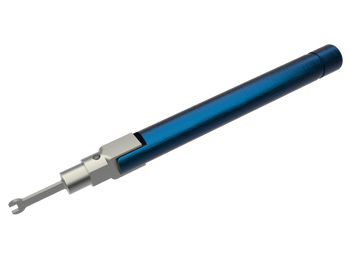
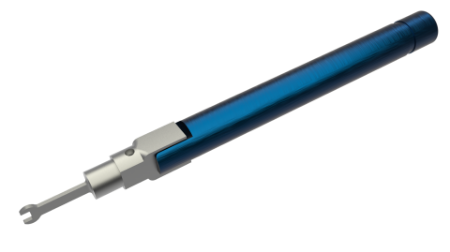
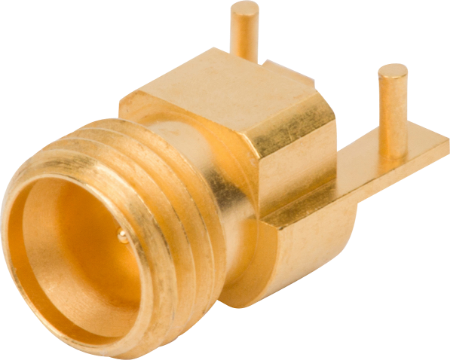
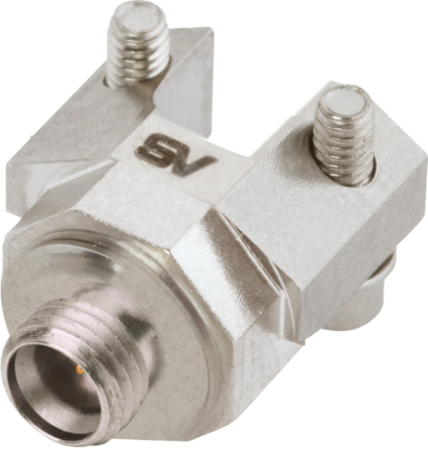
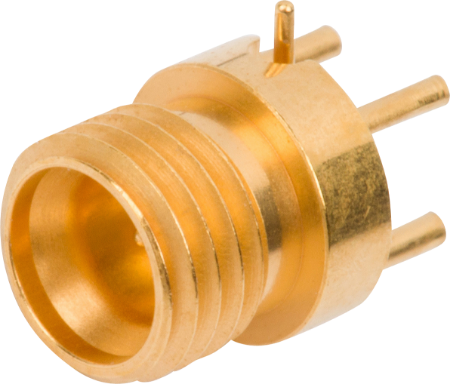
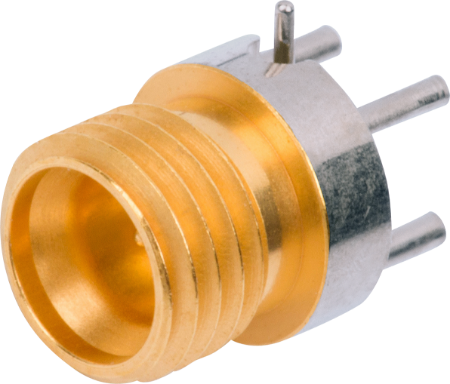
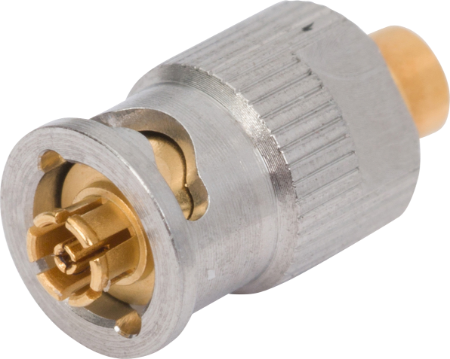
SV Microwave has expanded its tooling portfolio with a new family of installation and removal tools designed for our Threaded SMPM connectors and the SMPS QuarterBack secure-locking product line. These tools ensure proper engagement and improve system reliability in high-density, high-frequency environments. Suitable for both production teams and field technicians, they simplify installation, enhance repeatability, and protect critical hardware across Mil-Aero, embedded computing, and test applications. By providing consistent handling and controlled operation, these tools make it easier to install the small interfaces of SMPS QuarterBack and Threaded SMPM connectors in tight-pitch assemblies without the risk of over-torquing.
Features / Benefits:
- Designed for SMPM/SMPS interfaces
- Lowers risk of interconnect damage due to over-torquing
- Ergonomic comfort
- Easy handling
Applications:
- High-speed semiconductor test and instrumentation
- Mil-Aero
- Phased-array systems
- Telecommunications
- Space
Tool P/N | For Use With | Description | ||
|
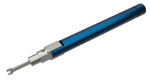
| This tool allows you to install a Threaded SMPM connector to a specific, measurable torque value (in this case 20-30 oz-in), and will enable you to avoid over-torquing the connector, and avoiding damage to the PCB. | ||
|
| This tool is ideal for installing panel-mount or edge launch Threaded SMPM connectors. | ||
|
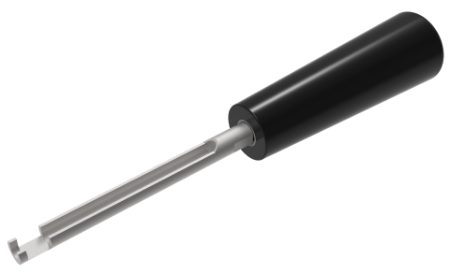
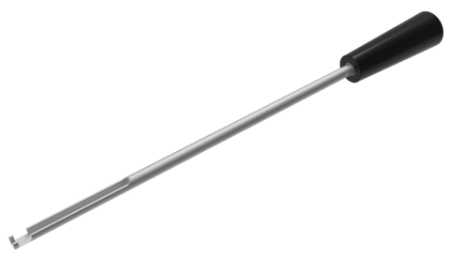
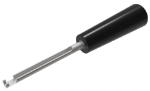
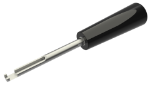
| This tool, much like a typical screwdriver, is ideal for installing/uninstalling Threaded SMPM surface mount connectors, or Threaded SMPM connectors that are located in hard-to-access locations on the board. | ||
|
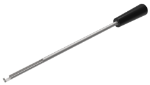
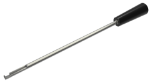
| This tool, much like 500-32-058, is ideal for installing/uninstalling Threaded SMPM surface mount connectors, or Threaded SMPM connectors that are located in hard-to-access locations on the board. However, the extra length on the driver improves access to locations that are deeper within the box, or chassis. | ||
|
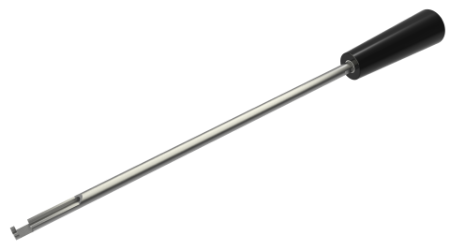
| This tool, much like a typical screwdriver, is ideal for installing/uninstalling SMPS QuarterBack surface mount connectors, or QuarterBack SMPS connectors that are located in hard-to-access locations on the board. | ||
|
| This tool, much like 500-32-019, is ideal for installing/uninstalling SMPS QuarterBack surface mount connectors, or QuarterBack SMPS connectors that are located in hard-to-access locations on the board. However, the extra length on the driver improves access to locations that are deeper within the box, or chassis. | ||